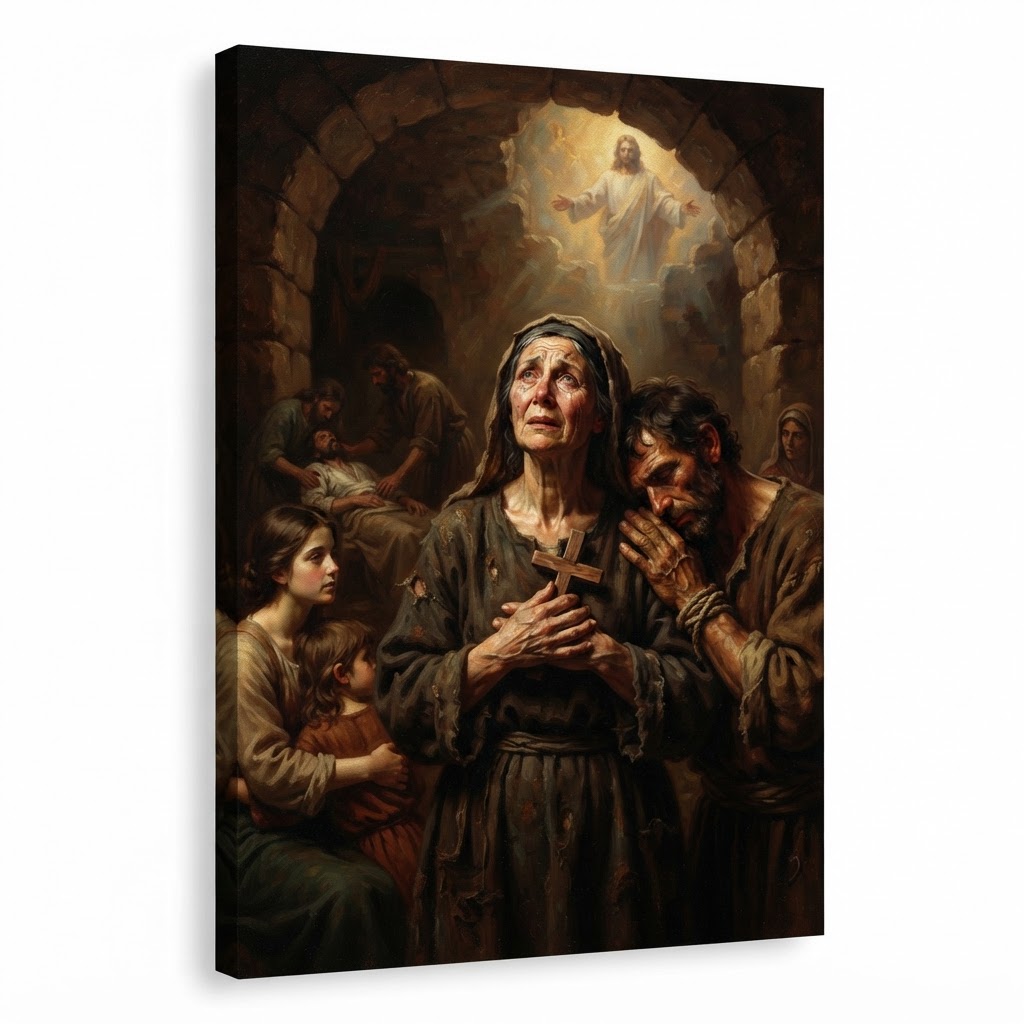
When You're Afraid
David was captured by the Philistines, far from home, surrounded by enemies. In his fear, he wrote Psalm 56 — a prayer that acknowledges fear while choosing trust. Discover what to do when you're afraid.
Choose Your Experience
When You're Afraid
The Hook
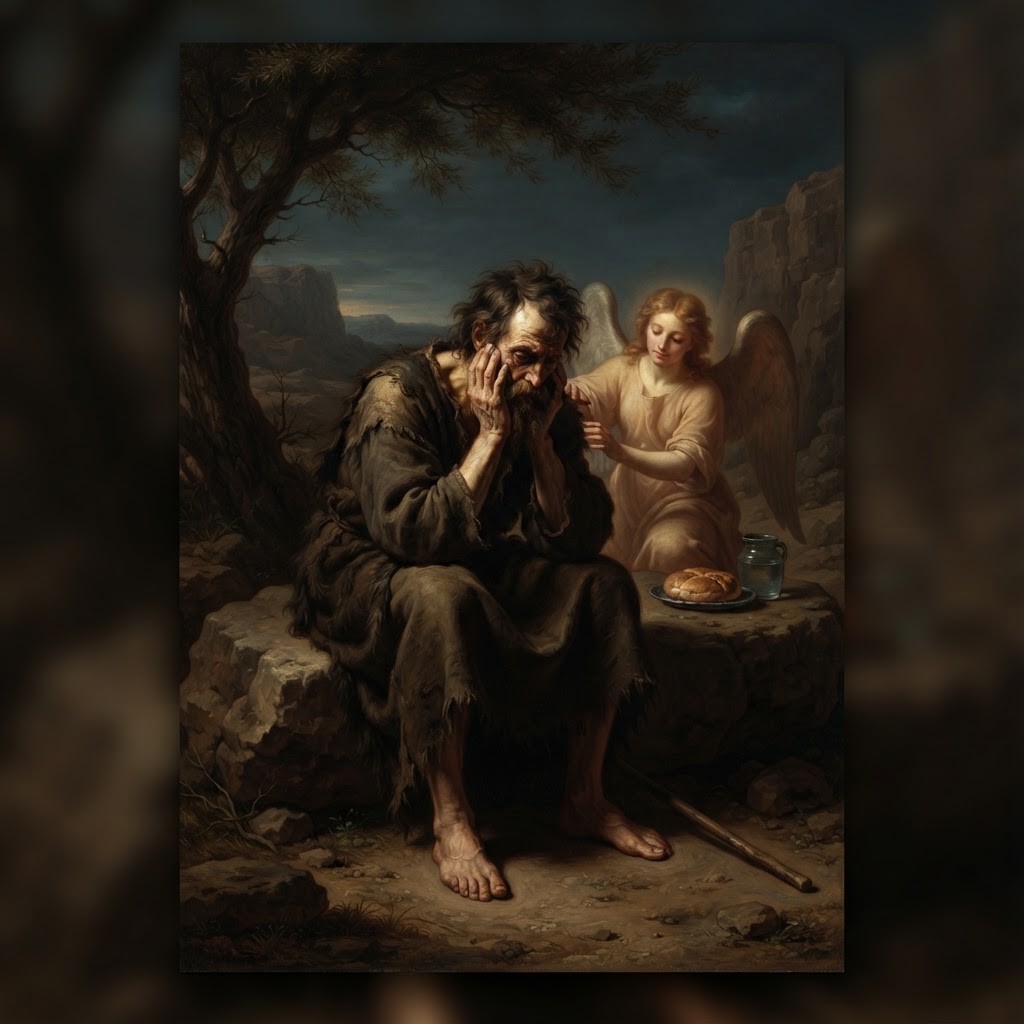
David didn't say, "I am never afraid." He said, "When I am afraid." Fear isn't the enemy of faith — it's the occasion for it. The question isn't whether you'll be afraid. It's what you'll do when fear comes.
The Story
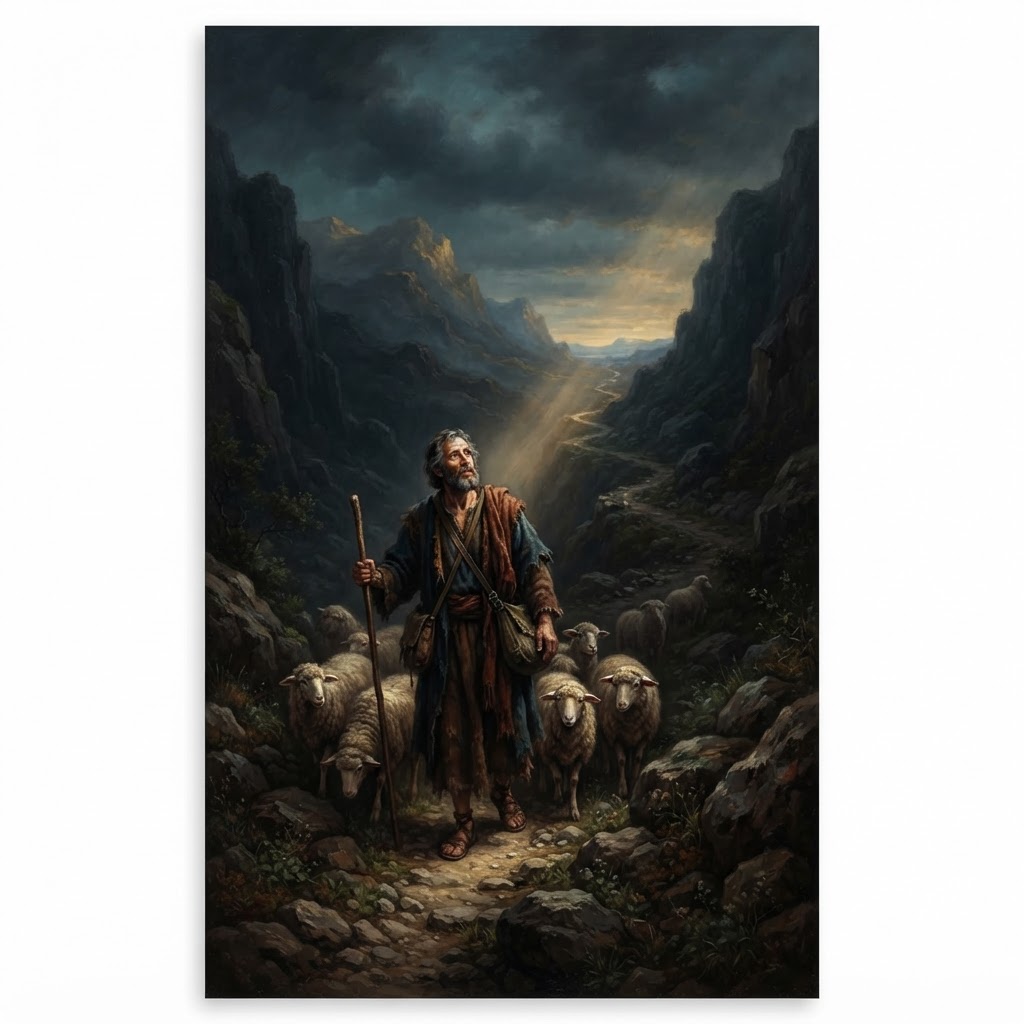
Psalm 56 was written when David was seized by the Philistines in Gath. This is extraordinary — Gath was Goliath's hometown. David had killed Goliath. Now he was surrounded by Goliath's people, carrying Goliath's sword, as their prisoner.
The superscription reads: "A mikhtam of David when the Philistines had seized him in Gath." He was alone, captured, in enemy territory. And he wrote:
"Be merciful to me, my God, for my enemies are in hot pursuit; all day long they press their attack... When I am afraid, I put my trust in you. In God, whose word I praise — in God I trust and am not afraid. What can mere mortals do to me?" (Psalm 56:1, 3-4)
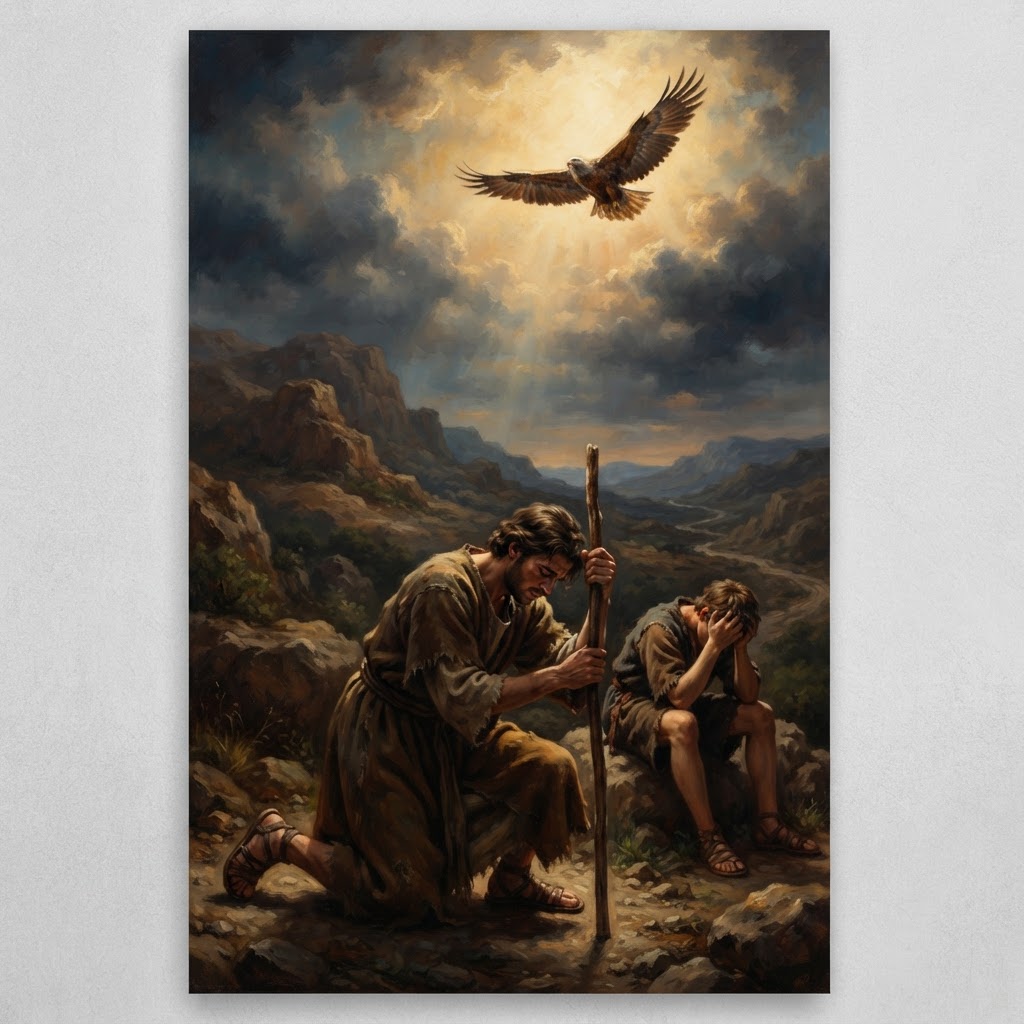
Notice the progression: "When I am afraid" → "I put my trust in You" → "I am not afraid." Fear isn't eliminated — it's displaced by trust. The fear comes first. Then trust. Then the fear recedes.
David repeats the pattern: "In God I trust and am not afraid. What can mere mortals do to me?"
Then verse 8 — one of the most tender verses in Scripture:
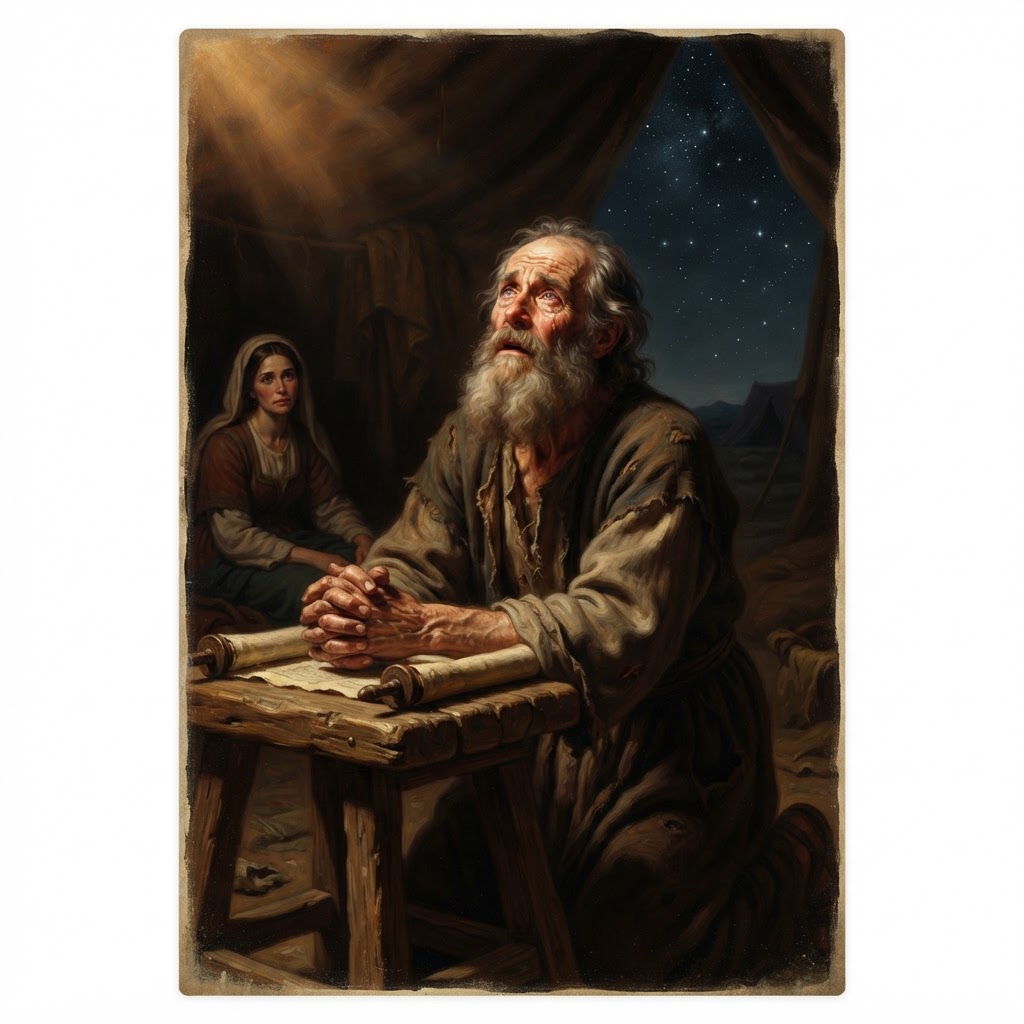
"Record my misery; list my tears on your scroll — are they not in your record?"
God keeps track of your tears. Every one. He doesn't miss a single tear you've ever cried. They're recorded.
Then the confidence:
"Then my enemies will turn back when I call for help. By this I will know that God is for me. In God, whose word I praise — in the LORD, whose word I praise — in God I trust and am not afraid. What can man do to me?" (Psalm 56:9-11)
The Lesson
1. Fear is acknowledged, not denied. "When I am afraid." David doesn't pretend he's fearless. He's honest about his fear. God doesn't require you to be fearless — He requires you to be faithful.
2. Trust is a decision, not a feeling. "I put my trust in you." It's an action. A choice. When fear says, "You're alone," trust says, "God is for me."
3. "What can mere mortals do to me?" David's logic: if God is for you, the worst anyone can do is kill you — and then you're with God. Fear loses its ultimate power when you know you're safe in God.
4. God records your tears. Verse 8 is stunning. Every tear you've ever cried — over loss, over fear, over failure, over pain — is recorded by God. He doesn't miss a single one. Your pain matters to Him.
5. "God is for me." This is the turning point. David doesn't just trust God — he trusts that God is FOR him. Not neutral. Not indifferent. For. On his side. Fighting for him.
Key Takeaways
- Fear is the occasion for faith, not its enemy. "When I am afraid, I put my trust in You."
- Trust displaces fear — it doesn't erase it. Fear comes first, then trust, then fear recedes.
- God counts your tears. Every one. Your suffering is noticed and recorded.
- "God is for me" changes everything. If God is for you, who can be against you?
- "What can mere mortals do to me?" When you trust God, human threats lose their ultimate power.
Real-Life Application
- When afraid: Don't deny the fear. Name it. Then say: "When I am afraid, I put my trust in You." Let trust follow honesty.
- When feeling unseen: Remember verse 8. Your tears are on God's scroll. He sees. He knows. He records.
- When facing threats: Ask yourself: "What can mere mortals do to me?" If God is for you, the worst anyone can do is temporary.
- Memorize verse 3: "When I am afraid, I put my trust in you." Say it when fear strikes. Let it become your reflex.
Closing Prayer
Lord, I'm afraid. I won't pretend I'm not. But when I am afraid, I put my trust in You. Thank You for recording every tear I've ever cried. Thank You that You are for me. When fear says, "You're alone," Your Spirit says, "God is for you." I trust You. What can mere mortals do to me? Amen.
Memory Verse
"When I am afraid, I put my trust in you." — Psalm 56:3
Next Episode
In Episode 2, we explore When You Feel Alone — the 23rd Psalm and the Shepherd who never leaves.
Key Takeaway
Fear is real. But fear doesn't get the last word — trust does. 'When I am afraid, I put my trust in You' isn't the absence of fear. It's the decision to let faith speak louder.
Family Discussion
1. David says, 'When I am afraid, I put my trust in you.' How do you typically respond to fear — with trust or with self-reliance?
2. What are you most afraid of right now? What would it look like to 'put your trust in God' regarding that fear?
3. David says God's word is trustworthy. What Scripture could you hold onto when fear strikes?
4. How does 'this too shall pass' (v. 9) change how you view your current fears?
Quick Quiz
Sign in to test your knowledge and track your progress.
Sign In to Take Quiz