Forgiving When It Hurts
Peter asked how many times he had to forgive. Jesus answered with a number that meant 'forever' — then told a story that shows why unforgiveness is the most expensive debt you'll ever carry.
Choose Your Experience
Forgiving When It Hurts
The Hook
Peter thought he was being generous. The rabbinic tradition said forgive three times. Peter doubled it and added one for good measure: "Lord, how many times shall I forgive my brother? Up to seven times?" He expected Jesus to say, "Wow, Peter, that's impressive." Instead, Jesus said, "Not seven. Seventy-seven times." In other words: stop counting.
The Story
Peter's question was practical. We've all been there. Someone keeps hurting us. Keeps apologizing. Keeps doing it again. At some point, enough is enough, right?
Jesus answered with a parable.
A king decided to settle accounts. A servant was brought to him who owed ten thousand talents. To understand this number: one talent was about 20 years' wages for a laborer. Ten thousand talents was 200,000 years of wages. It was an impossible debt — the kind you could never repay.
The servant fell to his knees: "Be patient with me, and I will pay back everything."
The king didn't just give him more time. He canceled the debt entirely. Completely. Gone. The most massive debt you could imagine — wiped clean with a word.
This same servant then went out and found a fellow servant who owed him a hundred denarii — about a hundred days' wages. A real debt, but tiny compared to what he'd just been forgiven.
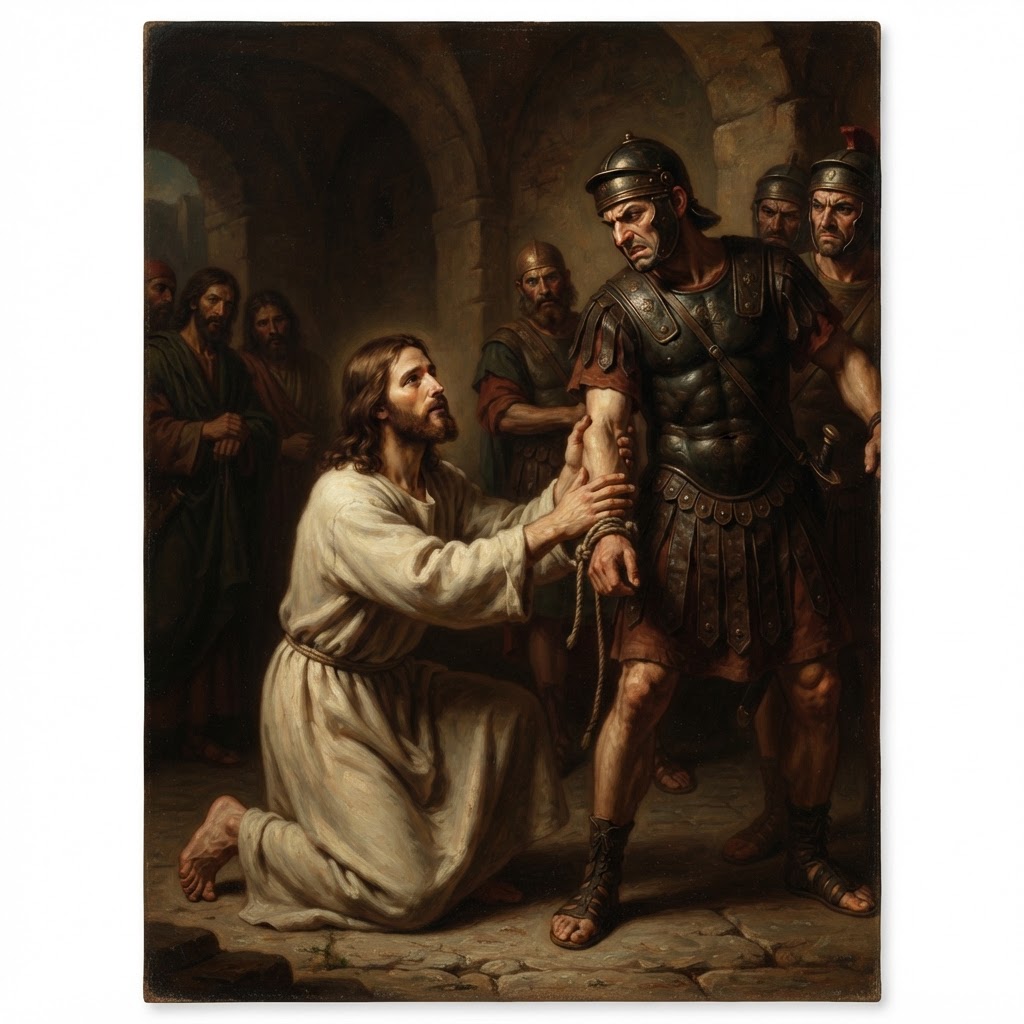
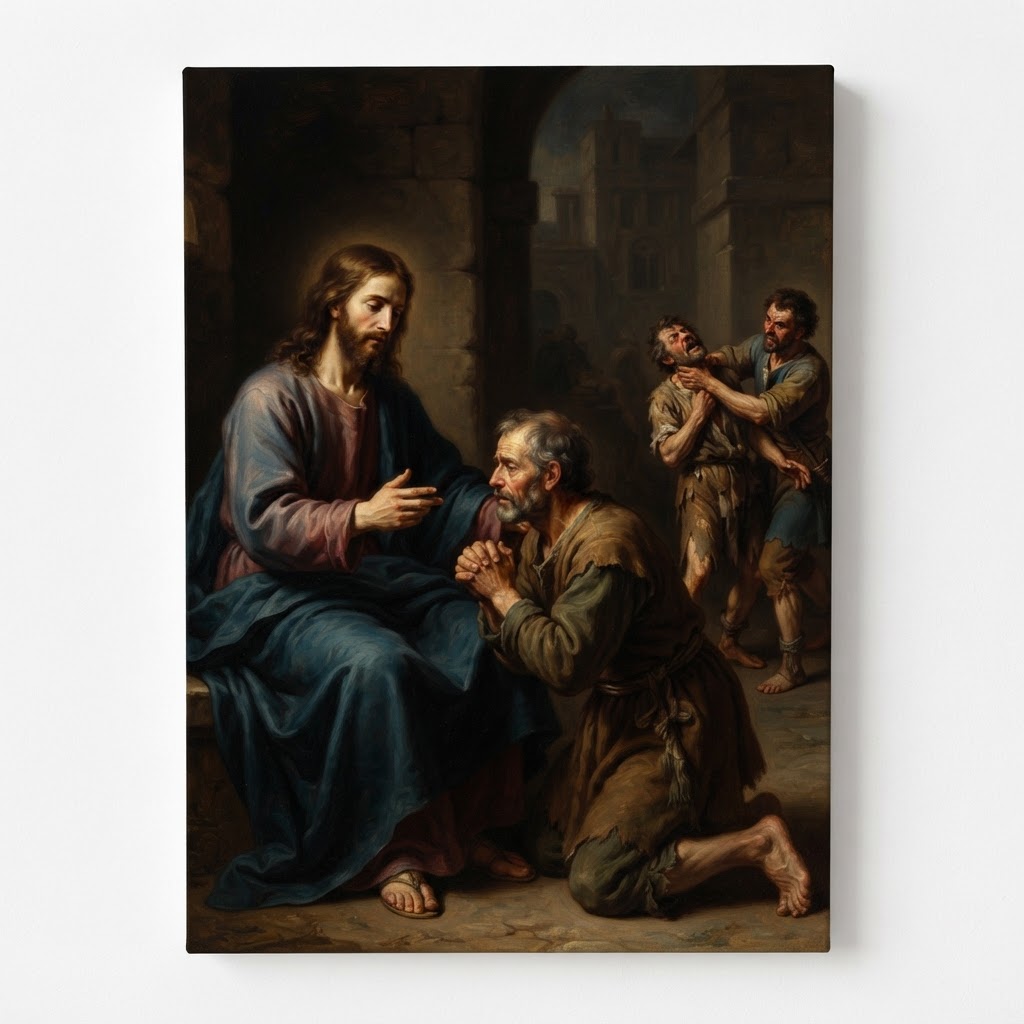
He grabbed the man by the throat and began to choke him. "Pay back what you owe me!" The man fell to his knees: "Be patient with me, and I will pay it back."
The exact same words the first servant had used with the king. But instead of canceling the debt, the first servant had the man thrown into prison until he could pay.
Other servants were outraged. They told the king. The king summoned the first servant: "You wicked servant! I canceled all that debt of yours because you begged me to. Shouldn't you have had mercy on your fellow servant just as I had on you?"
In anger, the king turned him over to the jailers until he could pay back everything.
Jesus' conclusion: "This is how my heavenly Father will treat each of you unless you forgive your brother or sister from your heart."
The Lesson
1. Your debt to God is unpayable. Ten thousand talents. The number is deliberately absurd. You could work your entire life and never make a dent. That's what sin looks like before a holy God.
2. God's forgiveness is total. The king didn't reduce the debt. He didn't extend the terms. He canceled it. Completely. That's what the cross did — not a payment plan, but a full pardon.
3. Refusing to forgive is a denial of your own forgiveness. The first servant received grace but refused to give it. He wanted mercy for himself and justice for others. Jesus' point: you can't have one without the other.
4. Unforgiveness is a prison. The servant who wouldn't forgive was thrown into prison. Here's the devastating truth: when you refuse to forgive, you're already in prison. The person who hurt you is free. You're the one behind bars. Forgiveness isn't about letting them off the hook — it's about letting yourself out of the cell.
Key Takeaways
- Stop counting. There's no limit to forgiveness because there was no limit on yours.
- The comparison is staggering. What others owe you is real — but compared to what you owed God, it's a hundred denarii next to ten thousand talents.
- Forgiveness is from the heart. Not just words. Not just behavior. A genuine release of the debt.
- Unforgiveness costs you more than the offense. The bitterness, the anger, the sleepless nights — you're the one paying the price.
Real-Life Application
- When the wound is deep: Acknowledge the debt. Forgiveness doesn't minimize the hurt — it releases the right to collect. Say: "What you did was wrong. I release you from what you owe me."
- When you don't feel like it: Forgiveness is a decision, not a feeling. Make the choice. The feelings will follow.
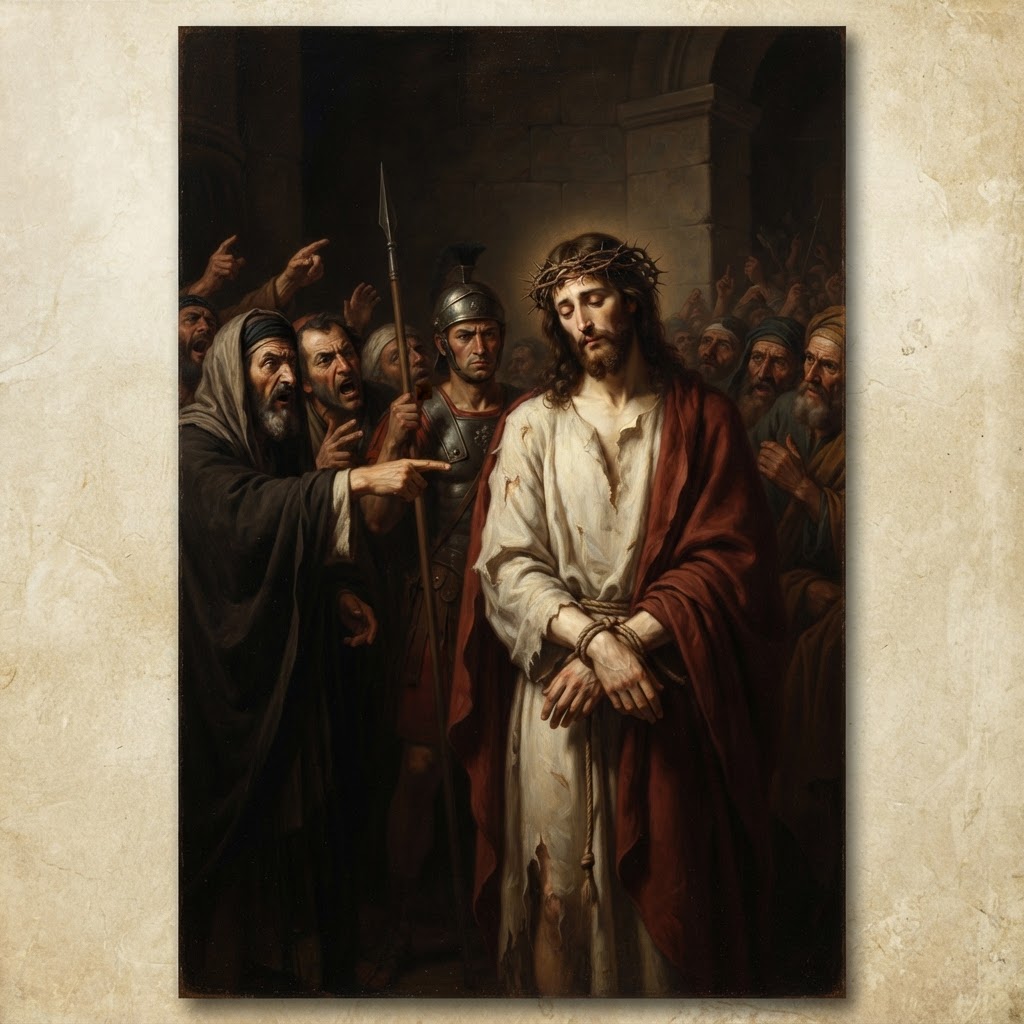
- When they don't apologize: Forgiveness doesn't require their repentance. Jesus forgave from the cross while they were still mocking Him.
Closing Prayer
Father, I've been forgiven a debt I could never pay. Forgive me for the times I've held others' debts against them when You canceled mine completely. Help me forgive from the heart — not because they deserve it, but because I didn't either. Free me from the prison of unforgiveness. Amen.
Memory Verse
"Shouldn't you have had mercy on your fellow servant just as I had on you?" — Matthew 18:33
Next Episode
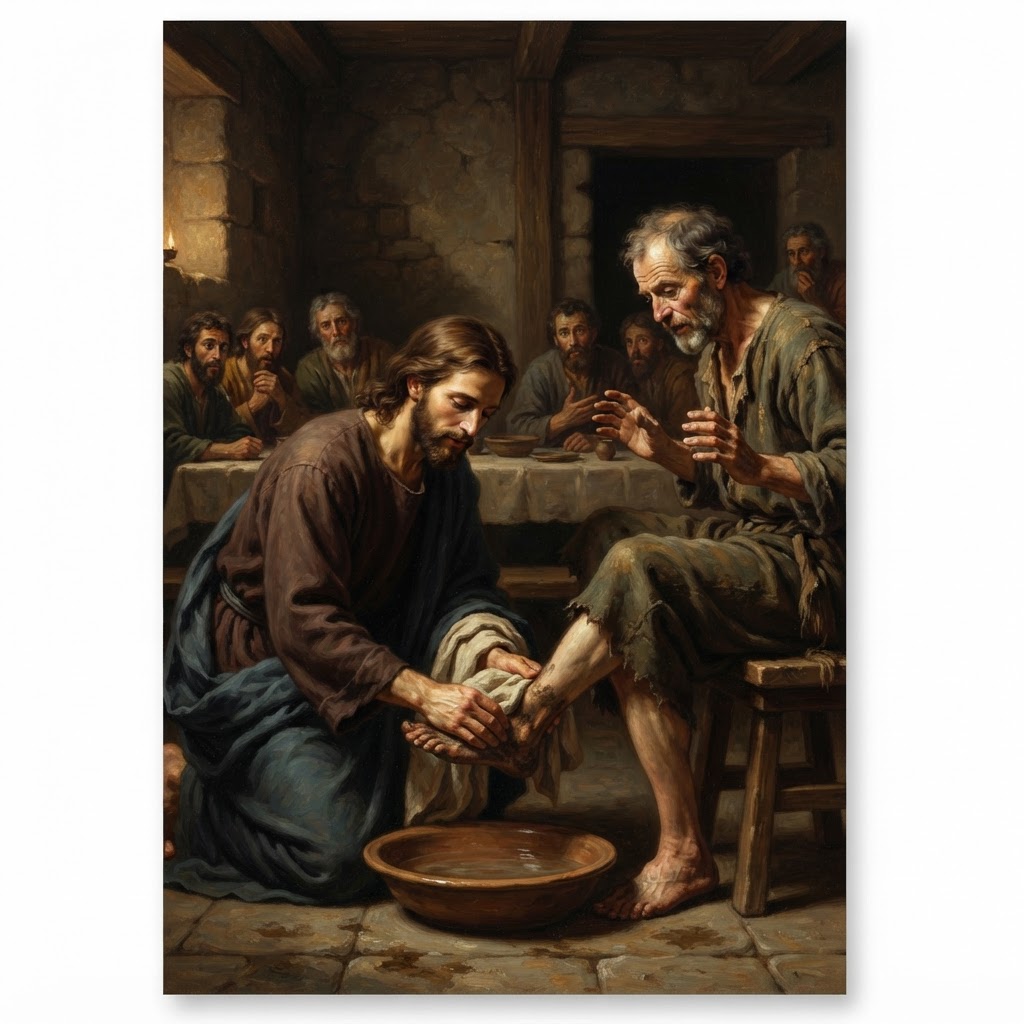
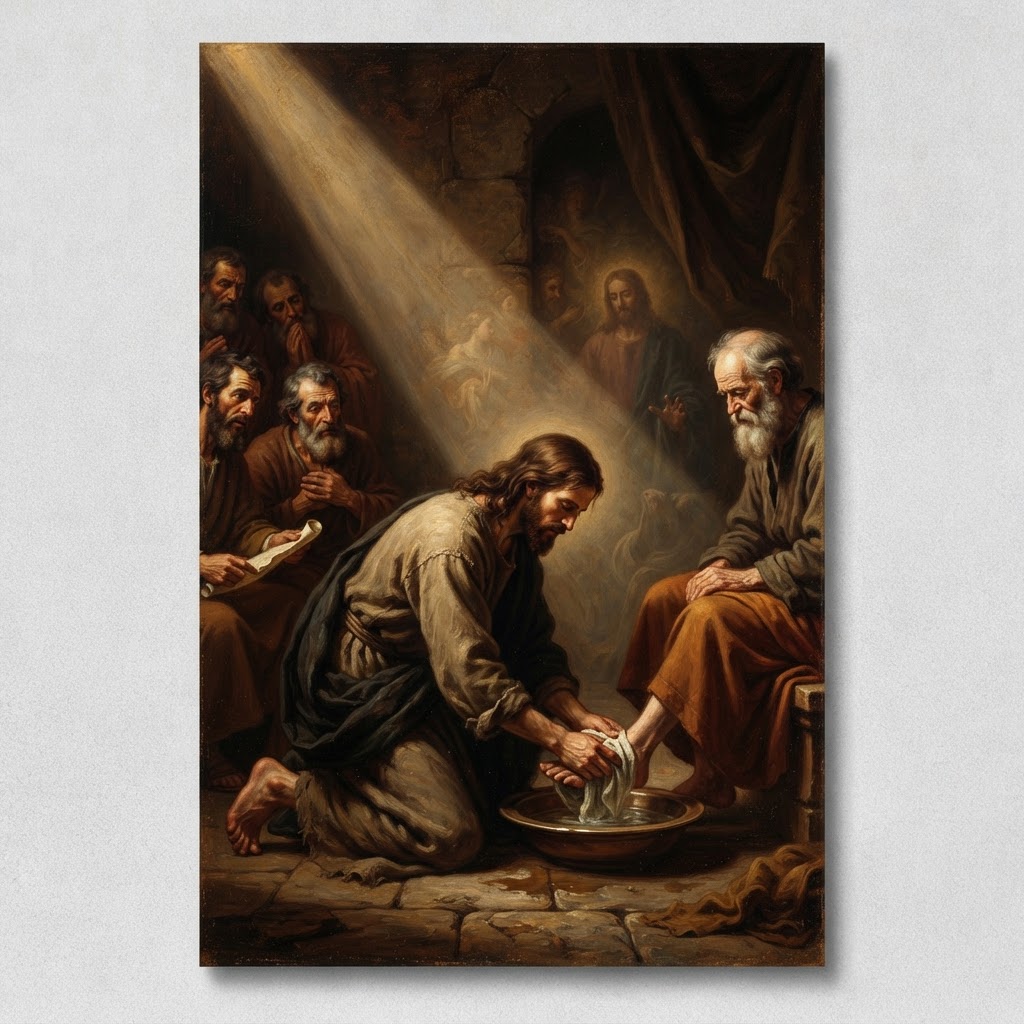
In Episode 3, we explore Serving Instead of Seeking Status — Jesus washing His disciples' feet and what true greatness looks like.
Key Takeaway
Unforgiveness is like drinking poison and expecting the other person to die. You've been forgiven a debt you could never pay — extending that same grace to others isn't optional. It's the family business.
Family Discussion
1. Is there someone you're struggling to forgive? What's keeping you from letting go?
2. How does the parable's first servant — forgiven a massive debt but refusing to forgive a small one — mirror our own tendency to receive grace but withhold it?
3. What's the difference between forgiveness and reconciliation? Can you forgive without reconciliation?
4. How has holding onto unforgiveness affected your spiritual life? What would freedom look like?
Quick Quiz
Sign in to test your knowledge and track your progress.
Sign In to Take Quiz