Fighting Doubt
Thomas doubted — and Jesus met him where he was. Discover why honest questions aren't the enemy of faith but often the pathway to deeper trust.
Choose Your Experience
Fighting Doubt
The Hook
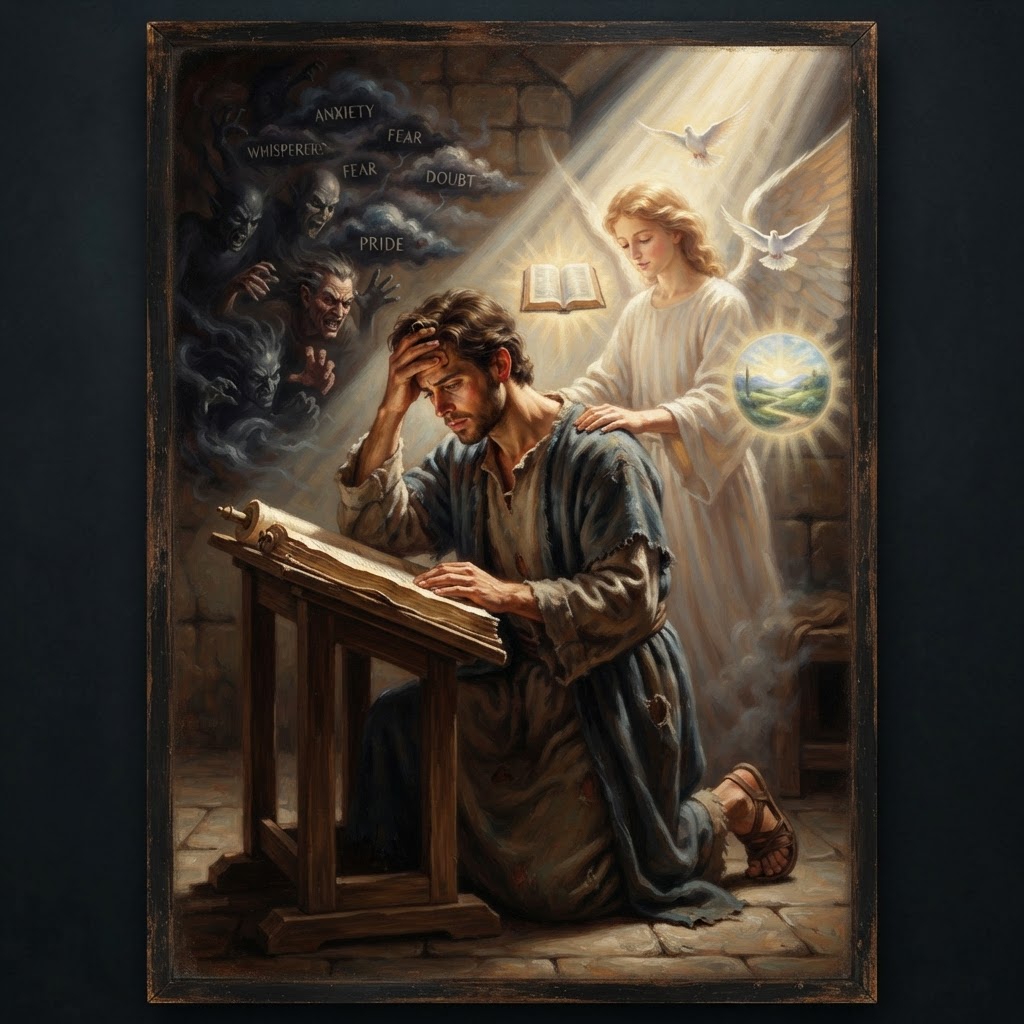
"I won't believe it unless I see it." We've all thought it. Maybe a friend shared an incredible story and your first response was skepticism. Maybe you've said it about God Himself. "Lord, I believe — but I need proof."
Thomas has been unfairly branded "Doubting Thomas" for 2,000 years. But his story isn't a warning against doubt. It's an invitation to bring your honest questions to Jesus and discover that He's big enough to handle them.
The Story
On the evening of the resurrection, Jesus appeared to His disciples behind locked doors. He showed them His wounds. He spoke peace over them. They were overjoyed.
But Thomas wasn't there. We don't know where he was — grieving alone, perhaps, or simply unable to face the others. When the disciples told him, "We have seen the Lord!" Thomas responded with one of the most brutally honest statements in Scripture:
"Unless I see the nail marks in his hands and put my finger where the nails were, and put my hand into his side, I will not believe." (John 20:25)
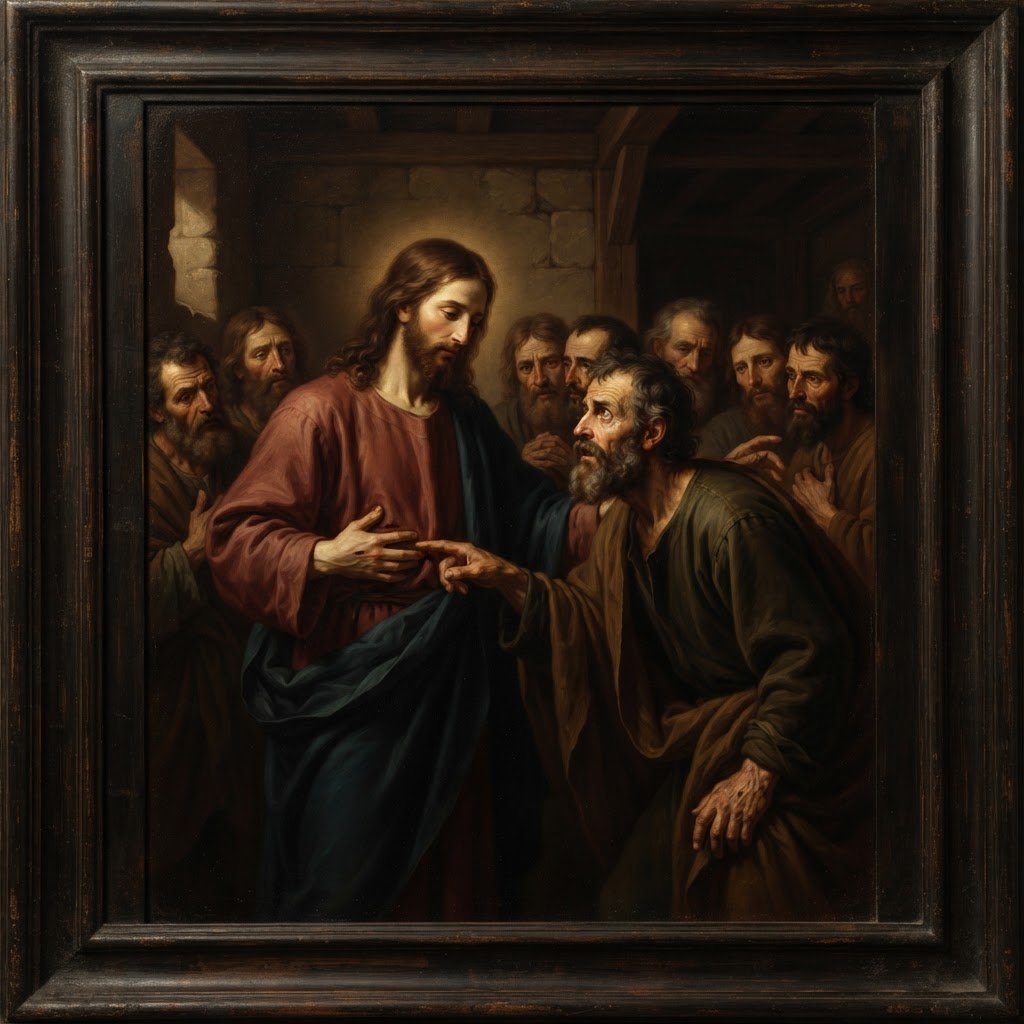
A week later, Jesus appeared again — and this time, Thomas was present. Jesus didn't scold him. He didn't lecture him. He simply said, "Put your finger here; see my hands. Reach out your hand and put it into my side. Stop doubting and believe."
Thomas's response? The most explosive confession of faith in the entire Gospel of John: "My Lord and my God!"
The Lesson
Doubt isn't the opposite of faith. Indifference is. Thomas didn't walk away from the resurrection — he was still with the disciples a week later. He was struggling, questioning, hurting — but he was present. And Jesus met him exactly where he was.
Notice three things about Jesus' response to Thomas:
-
Jesus came to Thomas. He didn't wait for Thomas to find Him. He entered the locked room and went straight to the one who was struggling.
-
Jesus used Thomas's own words. Thomas said, "Unless I put my finger..." Jesus said, "Put your finger here." God doesn't dismiss our doubts — He engages them on our terms.
-
Jesus offered proof before rebuke. He showed Thomas His wounds first. The gentle correction ("Stop doubting and believe") came after, not before, the evidence.
But Jesus also added a beatitude that's meant for us: "Blessed are those who have not seen and yet have believed." That's you. That's me. We haven't touched His wounds, yet we trust Him. And Jesus calls that blessed.
Key Takeaways
- Doubt isn't dangerous — isolation is. Thomas's doubt was resolved because he stayed in community. When we isolate ourselves, doubt metastasizes.
- Jesus meets us in our honest questions. He didn't reject Thomas for demanding proof. He provided it. God is not threatened by our questions.
- Doubt can lead to deeper worship. Thomas's confession, "My Lord and my God!" is the most direct declaration of Jesus' deity in John's Gospel. His doubt led to his deepest faith.
- Faith without sight is blessed. Jesus doesn't condemn those who need evidence — but He honors those who trust without it.
Real-Life Application
- When you doubt God's goodness: Bring it to Him honestly. Don't pretend. Say, "Lord, I'm struggling to believe You're working here. Help me see."
- When a friend expresses doubt: Don't judge. Invite them in. Say, "Let's walk through this together." Community is where doubt gets resolved.
- When you need evidence of God's faithfulness: Look back. Write down the times God has come through for you. Your own history is evidence He'll do it again.
Closing Prayer
Lord, I believe — help my unbelief. When doubt creeps in, remind me that You're not afraid of my questions. You welcome them. Thank You for meeting Thomas in his skepticism and for meeting me in mine. Lead me from honest doubt to deeper faith, until like Thomas I can say, "My Lord and my God!" Amen.
Memory Verse
"Then he said to Thomas, 'Put your finger here; see my hands. Reach out your hand and put it into my side. Stop doubting and believe.'" — John 20:27
Next Episode
In Episode 5, we explore Winning the Battle of the Mind — how to renew your thinking according to Romans 12:2 and break free from toxic thought patterns.
Key Takeaway
Doubt isn't the opposite of faith — indifference is. Honest questions, brought to Jesus, often lead to deeper worship.
Family Discussion
1. What doubt have you been afraid to voice? What if you brought it to Jesus instead of hiding it?
2. How do you respond to others who doubt — with patience or with judgment?
3. What evidence of God's faithfulness can you point to from your own life that would help you in seasons of doubt?
4. How can your church or small group create a safe space for people to ask honest questions?
Quick Quiz
Sign in to test your knowledge and track your progress.
Sign In to Take Quiz