The Gospel of John: In the Beginning
An in-depth exploration of the Prologue of John's Gospel, uncovering the cosmic identity of the Word made flesh. This study examines the theological richness and practical implications of the incarnation for the modern believer.
Choose Your Experience
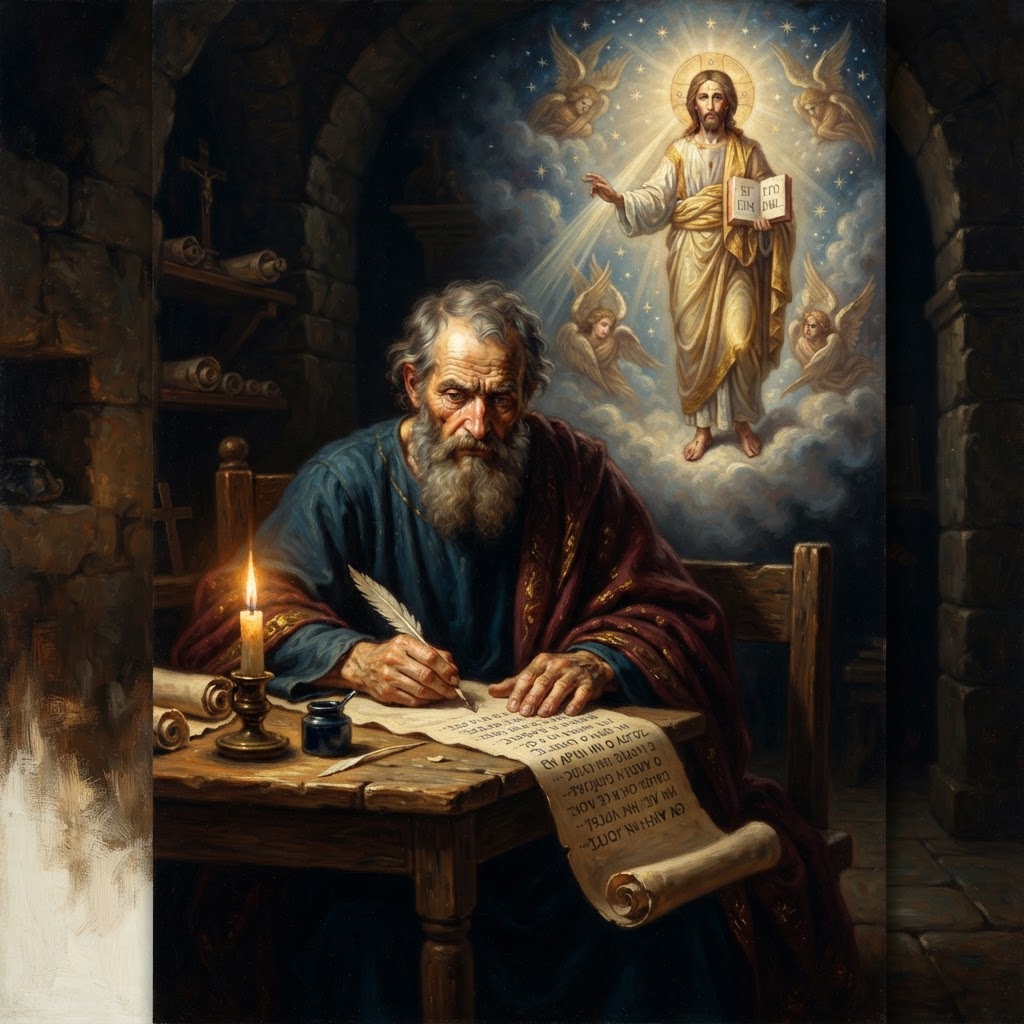
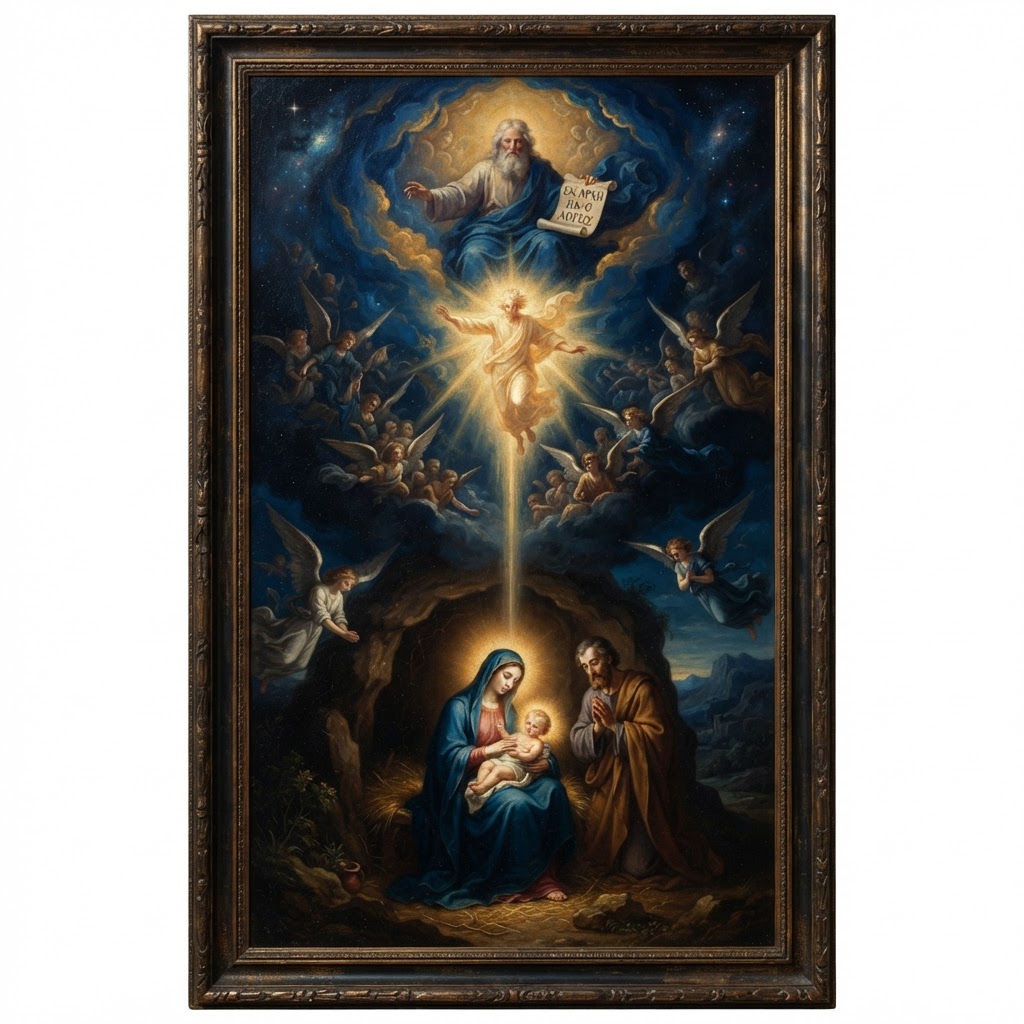
Introduction: The Cosmic Gateway. The Gospel of John stands apart from the Synoptic Gospels (Matthew, Mark, and Luke) in both its tone and structure. While the others begin with genealogy or birth narratives, John begins in the eternal past. He launches the reader into the heart of the Trinity, inviting us to contemplate the existence of the Word before creation. This prologue acts as a philosophical and theological gateway, establishing that Jesus is not merely a historical figure but the eternal 'Logos' (Word) who was with God and was God. Written likely toward the end of the first century, John addresses both a Jewish audience familiar with the Old Testament and a Hellenistic audience acquainted with Greek philosophy, masterfully weaving together the concepts of divine wisdom and human salvation. ## Key Passages: Exegesis of the Logos. John 1:1-18 demands careful attention to word choice. In verse 1, 'In the beginning was the Word' (en arche en ho Logos), the use of the imperfect tense 'en' (was) highlights a continuous state of existence prior to time itself. The term 'Logos' is profound; for the Greeks, it represented the rational principle governing the universe, but for John, it is a person. The phrase 'the Word was with God' uses the Greek preposition 'pros', implying a relationship of intimacy and face-to-face communion. Verse 14, 'And the Word became flesh and dwelt among us,' uses the Greek word 'eskenosen,' literally meaning 'to pitch a tent' or 'tabernacle.' Just as God’s presence dwelt in the Tabernacle in the wilderness, He now pitches His tent in the humanity of Christ. This is the scandal of the Incarnation—that the transcendent Creator assumed the limitations of finite, fallen humanity to rescue His creation. ## Theological Depth: Themes of Divinity and Revelation. The Prologue serves as a comprehensive overview of Johannine theology. First, there is the divinity of Christ (The Word as God). By equating Jesus with the creative power of God, John establishes that nothing in existence occurred apart from Him. Second, there is the theme of Light vs. Darkness. John introduces the concept that the 'Light' shines in the darkness, and the darkness cannot overcome (or comprehend) it. This sets the stage for the conflict between truth and deception that permeates the rest of the book. Third, the theme of 'Grace upon Grace' (verse 16) emphasizes that the revelation in Christ is not a mere addition to the Law of Moses but a fulfillment of it. While the Law was given through Moses, grace and truth find their ultimate expression in the person of Jesus Christ, who uniquely reveals the Father to a world that had only seen glimpses of His glory. ## Practical Application: The Incarnational Life. If God the Son truly became human, then our lives must reflect the reality of His presence in our everyday, mundane environments. To live 'incarnationally' means we do not sequester our faith in a religious box but bring the light of Christ into our workplaces, families, and communities. Because He 'tabernacled' among us, we are called to bring His presence into the spaces where we live. We are called to be conduits of grace in a world that often operates on performance and merit. Reflecting on John 1:18—'No one has ever seen God, but the one and only Son... has made him known'—we must realize that we are now the primary vessels through whom the world perceives the character of God. Our lives become the 'epistles' of Christ. When we face periods of 'darkness' or confusion, we anchor ourselves in the truth that the Word is eternal and that no shadow can quench the light of His life. ## Reflection: The Weight of Glory. The Prologue is intended to stop us in our tracks. Take a moment to consider the distance bridged by the Incarnation. The Creator of the cosmos reduced Himself to a zygote, an infant, a man. He experienced hunger, betrayal, and eventually death, all because the light sought to reach the darkness. We often seek 'more'—more money, more influence, more comfort—but John challenges us to seek the 'Word.' Are we letting the Word dwell within us, or are we merely reading it as a history book? The challenge for this week is to identify one area of 'darkness' in your sphere of influence and consciously bring the 'light' of grace to that situation, not through forceful debate, but through the gentle, truth-filled presence of the incarnate Son.
Key Takeaway
The Gospel of John reveals that Jesus is the eternal Word who became human to dwell among us, bridging the gap between God and humanity with grace and truth.
Family Discussion
1. Why do you think John chose to start his Gospel with 'In the beginning' rather than a birth narrative?
2. How does the concept of the 'Logos' bridge the gap between Jewish prophecy and Greek philosophy?
3. What does it mean for our daily life that Jesus 'tabernacled' among us?
4. How does John's distinction between the Law of Moses and the Grace of Christ change how we view religious rules?
5. In what ways do you personally experience the 'light' of Christ in a world that feels increasingly dark?
6. If Jesus is the one who 'makes the Father known,' what does that tell us about the character of God that we might otherwise miss?
Quick Quiz
Sign in to test your knowledge and track your progress.
Sign In to Take Quiz